Are tyres, windscreen and the underside covered?
Hire car insurance in Croatia starts with the standard insurance issued for each car, whether you are hiring in Split or at any other airport. The rental conditions for Croatia list four parts of the car that standard insurance does not cover: the wheels, the undercarriage, the windscreen and the interior.
In the search, each car lists its coverage options, such as minimum, basic and full coverage, with the price of any option that is not free. The conditions describe the standard cover only, so they do not say what a higher option adds or whether it covers any of the four excluded parts. If that matters for your trip, ask the support team before you book; the address is in the conditions.
The deposit, the card rule and the coverage options are set per car, and they can differ between two listings of the same model at the same airport. For hire from 5 October to 19 October 2026, 84 cars were listed at Split, 79 at Zagreb, 79 at Dubrovnik, 48 at Zadar and 35 at Pula, each with its own deposit and card rule.
What do I do if I have an accident?
Tell the rental agent straight away and get a police report. The conditions make both a requirement for any insured event, unless the agent agrees otherwise. Without them the insurance issued for the car is cancelled and you are fully responsible for the damage.
The phone number you entered has to be reachable for the whole rental and on the day before pick-up: the conditions say service complaints are not accepted when the renter could not be reached by phone or by Viber, WhatsApp or Telegram. Visitors on an EU, EEA, Moldovan or Ukrainian mobile contract pay domestic rates for calls and texts in Croatia under the EU roaming rules, so that number can simply be your own.
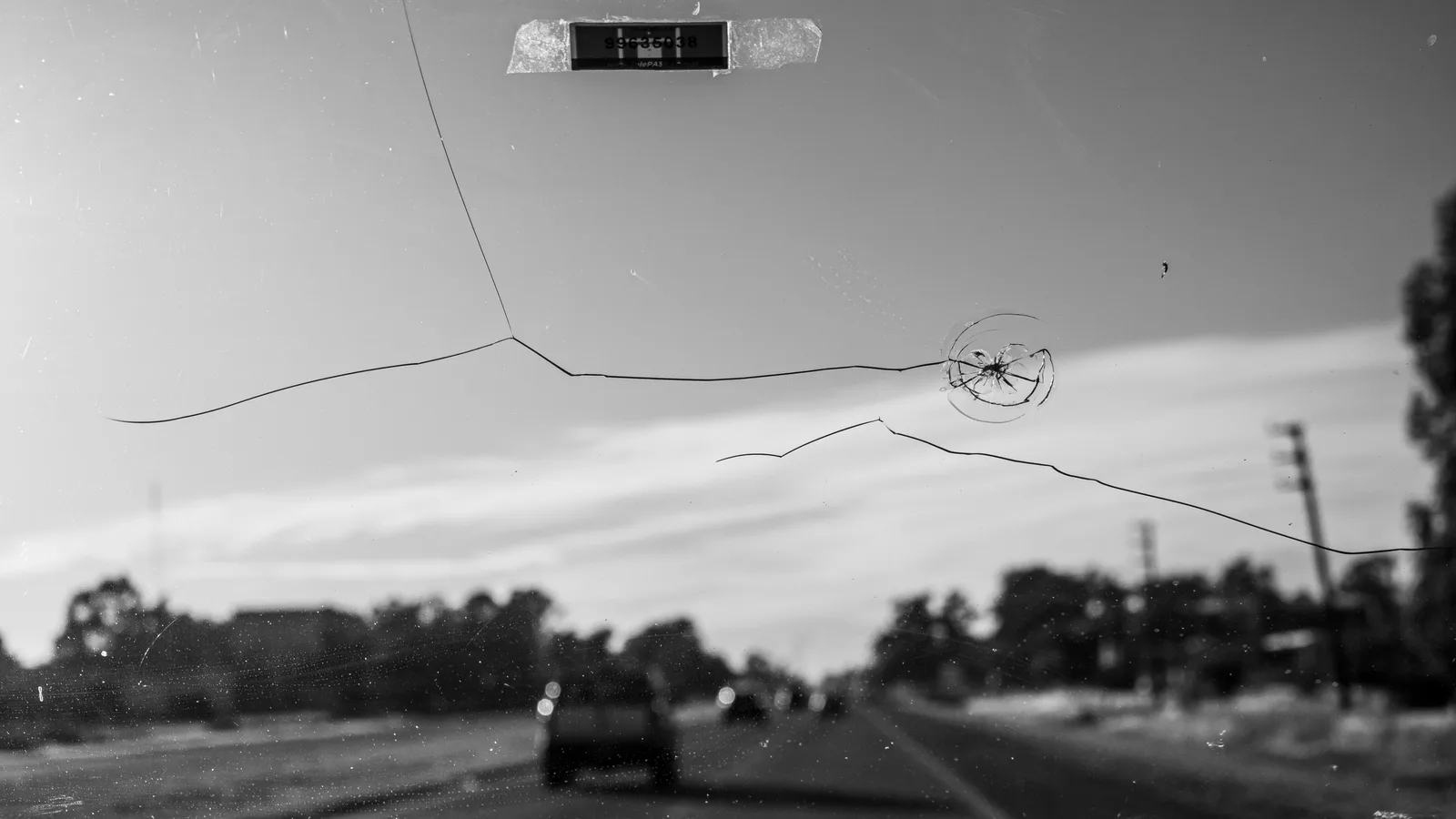
When the insurance does not apply
Two situations cancel the cover beyond the four excluded parts. The first is missing notice to the agent or a missing police report, unless the agent agrees otherwise. The second is deliberate damage, including intentional vandalism, and damage caused by neglect. The conditions do not define neglect further.
Separately, the cars may be driven on paved public roads only. The conditions state that rule on its own and do not link it to the insurance.
How the deposit is held and returned
Most rental companies take the deposit by blocking an amount on your card rather than charging it, and the block stays until you return the car. Under EU rules the company has to tell you about the block, and you have to agree to it and to the exact amount. When you return the car and pay the final bill by credit card, the bank has to release the blocked amount straight away; that rule covers the card block, and the rental conditions still let some companies keep the deposit for longer, as below.
Not every car works that way, and some carry no deposit at all: of the 79 cars for hiring in Zagreb in the same search, 30 carried a deposit of zero. Where a debit card is accepted, the company either places a hold or asks you to transfer the deposit to a named account. The booking process and your rental voucher show which method applies and when the deposit is refunded.
Some companies keep the deposit for 30 to 45 days after the return. If the company receives a fine or an invoice for an unpaid toll from your rental period, the amount is charged to the deposit, plus administrative costs for fines. Tolls on the state motorways are paid at barrier plazas today, by cash in euros, card or an ENC device. The Toll Collection Act sets 1 March 2027 for a nationwide barrier-free system that reads number plates to apply in full, and in September 2026 the gantries were still being installed.
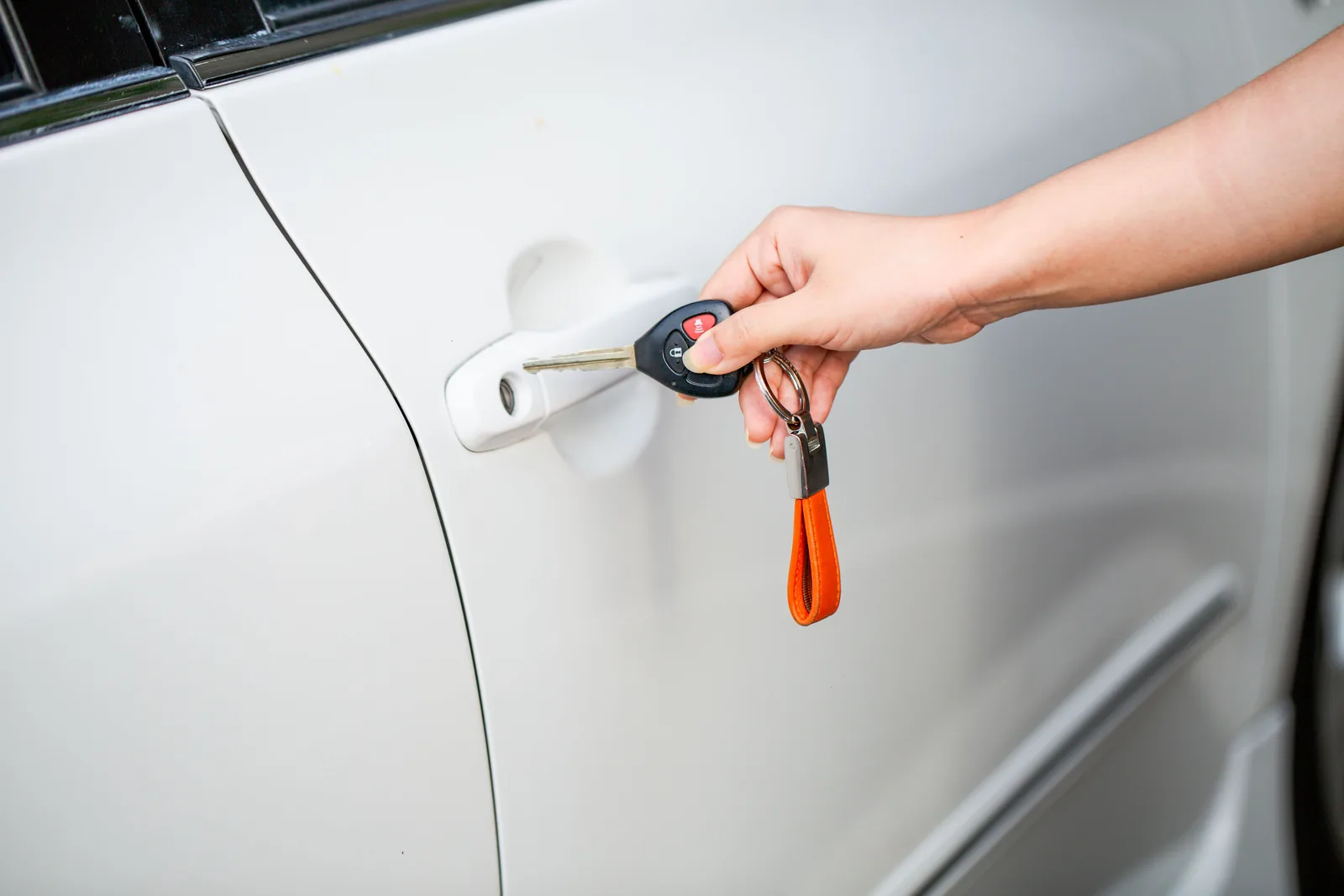
Does it matter if I pay the deposit by credit or debit card?
Often, but not always. A rental may require a physical, embossed credit card in the name of the main driver. Some companies accept a debit card instead, and when they do it is stated during booking and in the voucher; the debit card also has to be physical, personalised, embossed and in the main driver's name. A card that exists only on a phone, or one in a passenger's name, does not meet that wording.
The card rule is shown on each car before you pay, and it differs between cars at the same pick-up: at Split, 75 of the 84 cars in the same search did not require a credit card. Wherever you hire a car in Croatia, check the rule on the car you choose and bring that exact card to the pick-up: the conditions ask you to have it with you when you collect the car.
Costs the insurance does not touch
Fuel, parking, fines and motorway tolls are the renter's to pay, whatever the cover. Fuel is like for like: return the car with the level it had at pick-up, or pay the difference at the company's rates. A fuller tank on return is not refunded. The drop-off charge on one-way hires is different: it is already inside the price shown for the car.
A car returned so dirty that it cannot be inspected is washed at your expense. Small pets may travel if they stay in their carriers the whole time. The minimum chargeable period is 24 hours, so a car kept from Monday morning to Tuesday afternoon is charged as two days. If you want to extend the rental, you must inform the rental agent in advance.
Ferries and driving outside Croatia
Both need arranging before the trip. A ferry crossing between the mainland and the islands is only possible with prior arrangement, made in writing with the support team before you complete the booking; the address is in the conditions. Travel outside Croatia is added during booking as the cross-border option, for a fee, and permission is arranged through the same support team, with prices and conditions set by the company, the car and the length of the trip.
The conditions do not say what happens to the cover if you travel without that arrangement, so arrange it first. The car ferry from Split to Stari Grad on Hvar is Jadrolinija line 635, and taking the car on a ferry there needs both that arrangement and a vehicle ticket, which also reserves the sailing.
Comparing cover between two cars
To compare the cars you are choosing between, open both and read three lines on each: the deposit, the card rule and the coverage options with their prices. Those three decide what you carry at the pick-up and what you pay if something goes wrong. The daily price comes after them. On 1 October 2026 the cheapest daily price listed for a Volkswagen Polo was €27 at Split and €27 at Zagreb, and the cover on those two listings need not match.
Frequently asked questions
Are tyres, windscreen and the underside covered?
Not under standard cover. The Croatian rental conditions exclude the wheels, the undercarriage, the windscreen and the interior from standard insurance.
What do I do if I have an accident?
Tell the rental agent straight away and get a police report. Both are required for any insured event unless the agent agrees otherwise; without them the insurance is cancelled.
Does it matter if I pay the deposit by credit or debit card?
Often. Some cars require a physical, embossed credit card in the main driver's name; others accept a debit card, stated at booking. With a debit card the company may hold the deposit or ask for a transfer.
How big is the deposit with and without extra cover?
It is set per car and shown on the car before you pay. Some companies keep it for 30 to 45 days after the return, to cover fines or unpaid tolls from the rental.